
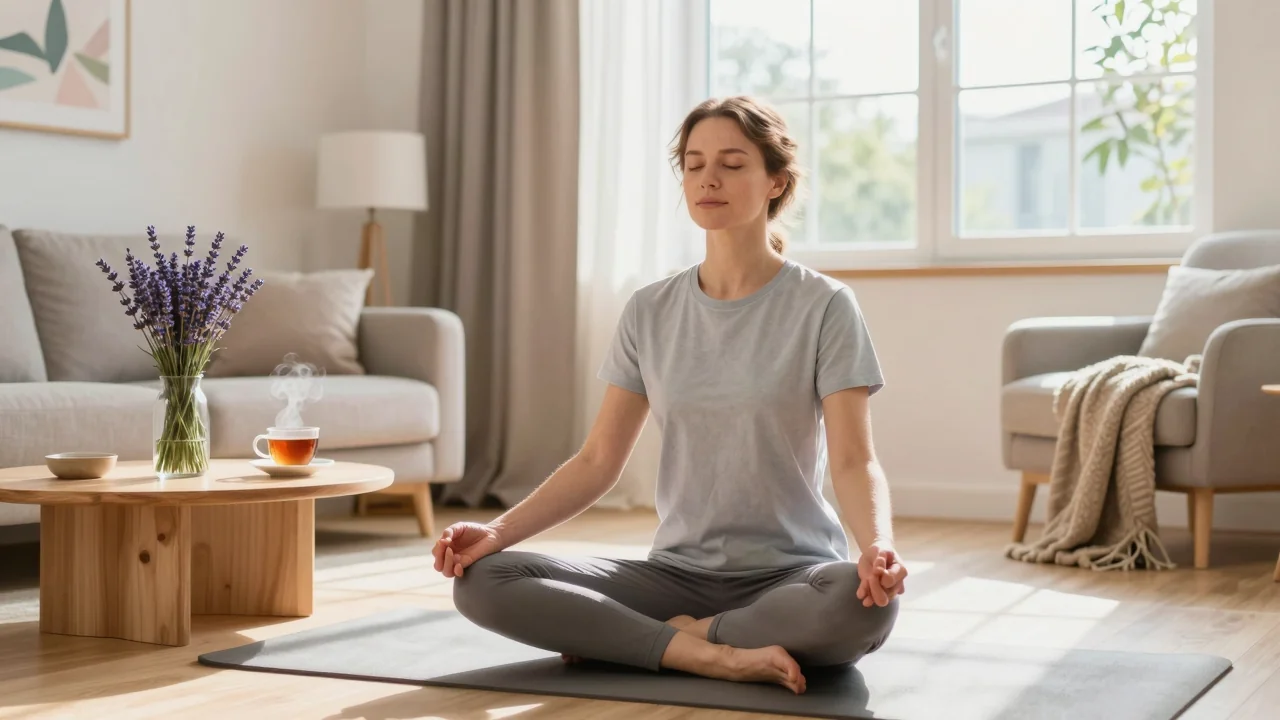
Forget what you’ve heard—stress isn’t just an inevitable part of life. Sure, we all face deadlines, relationship hiccups, and the occasional tech meltdown (anyone else ever lost a report because their laptop decided to update mid-workday?), but 2026 is proving that we have more control than ever over how stress affects us. Learning how to reduce stress isn’t about finding a magic cure-all; it’s about discovering practical, science-backed techniques that fit into your busy routine. Whether you’re juggling work, family, or just trying to keep up with the latest AI tools (looking at you, ChatGPT 7.0!), there are ways to turn down the noise and find your calm.
Think of stress like a fitness plan—you wouldn’t expect to run a marathon without training, right? The same goes for managing stress. It’s not about eliminating every stressful moment but building resilience so those moments don’t derail you. From mindfulness apps like Headspace (now with its 2026 update!) to simple habits like the 5-minute breathing trick that even CEOs swear by, small changes can make a big difference. And the best part? You don’t need a spa day or a retreat in Bali—though, hey, if that’s your thing, go for it! The key is making stress reduction as much a part of your daily life as checking your emails or scrolling through social media (we see you, TikTok). Let’s dive into some of the most effective techniques to help you not just survive but thrive in 2026.
How to Reduce Stress Through Mindfulness Practices
Ever feel like your mind is racing a million miles an hour? You’re not alone—stress is something we all deal with, and finding ways to slow down is key to a happier, healthier life. One of the most effective methods for reducing stress? Mindfulness practices. These aren’t just trendy buzzwords; they’re backed by science and can make a real difference in how you handle daily pressures.
From meditation to breathing exercises, mindfulness techniques help ground you in the present moment, reducing anxiety and boosting your overall well-being. The best part? You don’t need fancy equipment or hours of free time to get started. Even small, consistent practices can lead to big changes in how you manage stress. If you’re curious about living a softer life with less stress in 2026, check out How to Live a Soft Life: Minimal Stress in 2026 for more inspiration.
Here are some mindfulness practices you can try today:
- Meditation apps like Headspace (Pro version at $12.99/month) or Calm (Premium at $14.99/month)
- Guided journaling with tools such as the Journey app ($3.99/month)
- Progressive muscle relaxation exercises
- Nature walks without distractions (leave your phone at home!)
- Gratitude practice before bedtime
The Benefits of Daily Meditation in 2026
Mindfulness meditation has become even more accessible with advancements in technology and apps designed specifically for stress reduction. Apps like Headspace and Calm offer guided sessions tailored to different needs, whether you’re looking to unwind after a long day or need a quick reset during a hectic workday.
Research shows that just 10 minutes of meditation a day can lower cortisol levels (the stress hormone) and improve focus. In 2026, we’re seeing even more personalized options, like AI-driven sessions that adapt to your mood and energy levels. Imagine an app that knows exactly when you need a calming session or a quick burst of mindfulness—sounds dreamy, right?
Breathing Techniques for Instant Calm
Deep breathing exercises are proven to lower stress levels quickly, making them a valuable tool for managing daily anxiety. One of the simplest techniques is the 4-7-8 method: inhale for 4 seconds, hold for 7, and exhale for 8. It’s like hitting a reset button for your nervous system.
Other effective breathing exercises include:
– Box breathing (inhale, hold, exhale, hold—all for equal counts)
– Alternate nostril breathing (great for centering yourself)
– Diaphragmatic breathing (deep belly breaths to activate relaxation)
– Humming bee breath (for instant calming vibrations)
– Coherent breathing (synchronizing breath with heart rate)
These techniques work because they engage your body’s natural relaxation response, counteracting the fight-or-flight mode triggered by stress. The best part? You can do them anywhere—whether you’re stuck in traffic, prepping for a big meeting, or just needing a moment of peace.
So, what’s next on our journey to a calmer life? Let’s explore how movement and exercise can play a role in reducing stress.
How to Reduce Stress With Lifestyle Adjustments
Let’s face it—life in 2026 is busier than ever. Between work deadlines, family commitments, and the constant buzz of technology, finding moments of peace can feel like a challenge. But here’s the good news: small, intentional changes to your daily routine can make a big difference in how to reduce stress. The key? Start with the basics—sleep and work-life balance.
The Impact of Sleep on Stress Levels in 2026
We’ve all heard it before, but sleep is non-negotiable when it comes to managing stress. New research from the National Sleep Foundation confirms that poor sleep doesn’t just leave you groggy—it actually rewires your brain’s stress response. Aim for seven to nine hours a night, and consider investing in tech designed to help, like the SnoozeSmart Pro sleep tracker ($199), which syncs with smart home systems to create the perfect sleep environment.
“Lack of sleep disrupts the prefrontal cortex, making it harder to regulate emotions and cope with stress. Prioritizing rest is one of the most effective ways to improve mental resilience.”
If you’re struggling to wind down, try a bedtime routine that includes calming activities like reading (yes, an actual book!) or listening to white noise. And if you’re still reaching for your phone at night? Swap it for a Hatch Rest Mini ($60), a sunset-to-sunrise companion that gently guides you into sleep mode without screens.
Balancing Work and Personal Life
Ever feel like your workday never really ends? You’re not alone. The blurred lines between professional and personal time are a major stress trigger, especially with remote work still a staple in 2026. Setting clear boundaries—like turning off notifications after hours or designating a “work-free” zone at home—can help reclaim your peace of mind.
Start by blocking out dedicated “me time” in your calendar, just like you would an important meeting. Whether it’s a walk outside, a yoga session with the Mirror Home Gym ($1,495), or simply sitting quietly with a cup of tea, these moments are investments in your well-being. And remember: saying no to overcommitment isn’t selfish—it’s self-care.
As you fine-tune these habits, you’ll notice another powerful stress-buster waiting in the wings: mindfulness.
How to Reduce Stress Through Physical Activity
Let’s be honest—stress can feel like a never-ending loop sometimes, especially in 2026 with all the demands on our time and energy. But here’s the good news: physical activity is one of the most effective (and underrated) ways to break that cycle. How often do we hear “exercise for stress relief” without really knowing where to start? Well, let’s dive into why movement matters and how you can make it work for you.
The Role of Exercise in Stress Management
Ever heard of the “runner’s high”? It’s not just a myth—those feel-good endorphins your body releases during exercise are like nature’s stress busters. Studies show that even a 30-minute workout can lower cortisol levels, leaving you calmer and more centered. Think of it as hitting the reset button on your nervous system! Whether you’re into high-intensity workouts or gentle movement, the key is consistency.
Want to give it a try? Here are some great options:
– Yoga with a Mirror (e.g., Lululemon The Reversible 2.0 Mat – $68)
– Running with the Garmin Forerunner 15 – $179.99
– HIIT workouts on Nike Training Club app
– Strength training with adjustable dumbbells (Bowflex SelectTech 552i – $349)
– Dancing to your favorite playlist
Finding the Right Fitness Routine for You
The best way to stick with exercise? Make it fun! If you dread spinning classes but love hiking, why force yourself? Listen to your body and choose activities that bring you joy. Maybe it’s a brisk walk in the park, swimming laps at the local pool, or even gardening—movement doesn’t have to look like a gym session.
Pro tip: Start small. Even five minutes of stretching or a quick dance break can make a difference! The goal is progress, not perfection. Once you find what works for you, stress management becomes less of a chore and more of a rewarding habit.
Now that we’ve got movement covered, let’s talk about another powerful tool in your stress-reduction toolkit…
How to Reduce Stress With Social Connections
Let’s be real—life in 2026 is busy, and sometimes it feels like we’re all juggling too much at once. But did you know that one of the best ways to manage stress isn’t a fancy gadget or a pricey spa day? It’s actually the people around us. Strong social connections act like emotional anchors, helping us navigate stressful moments with more ease.
Think about it: when was the last time you had a heart-to-heart with a friend or family member who truly listened? That kind of support doesn’t just make us feel better in the moment—it also lowers cortisol levels (that’s your body’s stress hormone) and boosts our overall well-being. And the best part? You don’t need anything special to tap into this benefit. A simple text, a quick call, or even a cozy video chat can work wonders.
“Research from the American Psychological Association shows that people with strong social connections report lower stress levels and better mental health outcomes.”
The Power of Support Networks in 2026
In today’s fast-paced world, it’s easy to feel like we’re alone in our struggles. But building a reliable support network—whether through old friends, new acquaintances, or even online communities—can make all the difference. These connections provide a safe space to vent, seek advice, and remind us that we’re not in this alone.
Let’s say you’re feeling overwhelmed at work. Instead of bottling it up, sharing your thoughts with a trusted friend can lighten the emotional load. Or maybe you join a local book club or an online forum where people share similar interests—suddenly, those stress-inducing challenges don’t feel so isolating anymore.
Setting Healthy Boundaries in Relationships
Now, here’s the thing: not all social interactions reduce stress. Sometimes, we take on too much because we struggle to say no. Maybe it’s that friend who always needs a favor at the last minute or a family member who drains your energy with constant drama. Learning to set boundaries is key to protecting your mental well-being.
Start small. Practice saying no when you’re stretched thin, and communicate your needs clearly—whether it’s needing alone time after work or asking for understanding when you can’t attend every event. And if tech helps, consider apps like Trello ($9.99/month) to organize commitments or Headspace (free version available) for mindfulness exercises that keep you grounded.
The next step in our stress-reduction journey involves something a little different—let’s talk about how movement and mindfulness can transform your day-to-day calm.
How to Reduce Stress Through Digital Detoxing
Let’s be real—2026 is busier than ever, and our screens are constantly demanding attention. Whether it’s emails, social media, or endless scrolling, our digital lives can leave us feeling frazzled. The good news? Learning how to reduce stress starts with stepping away from the screen. A digital detox isn’t about cutting out tech forever—it’s about creating balance so you can recharge and reconnect with what truly matters.
The Effects of Screen Time on Mental Health
Ever notice how your brain feels fuzzy after a marathon scrolling session? That’s no coincidence! Studies show that excessive screen time can spike cortisol levels (your body’s stress hormone) and disrupt sleep. The blue light emitted by devices like the iPhone 15 Pro Max (starting at $999) or Samsung Galaxy S24 Ultra ($1,299) tricks your brain into thinking it’s daytime, making it harder to unwind.
So, how can you reset? Try these simple swaps:
- Set a “no screens after 8 PM” rule
- Use apps like f.lux (free) or Night Shift mode on Apple devices to reduce blue light
- Replace late-night scrolling with reading a book—try the Kindle Paperwhite Signature Edition ($159.99)
- Take a tech-free walk, even just around your neighborhood
- Set app timers (iOS has Screen Time; Android offers Digital Wellbeing)
Small changes can make a big difference in how to reduce stress and improve your mental clarity.
Creating Tech-Free Zones at Home
Your home should be your sanctuary, not an extension of the office. Designating tech-free zones—like your bedroom or dining table—can work wonders for mindfulness. Imagine enjoying dinner without the ping of notifications from your Google Pixel 8 Pro ($999) or snoozing in a bed free from distractions.
Here’s how to make it happen:
- Keep phones and tablets out of the bedroom (try a charging station in the living room instead)
- Swap video calls for face-to-face chats over coffee or tea
- Invest in analog activities, like a classic chess set ($49.99) or adult coloring books
- Use a smart speaker (like the Sonos One SL at $219) for music—no screens needed!
- Designate one day a week as “unplugged Sunday” for maximum relaxation
By carving out these spaces, you’ll train your brain to unwind more naturally.
Wrapping Up: Your Calmer 2026 Awaits
We’ve covered some powerful ways to reduce stress and bring more balance into your life this year. From mindfulness practices that ground you in the present to the magic of movement and the wisdom of setting boundaries, there’s no shortage of tools at your disposal. Remember, stress isn’t something you have to power through alone—it’s a signal that it’s time to pause, reassess, and take care of yourself.
So, how do you plan to put these techniques into action? Whether it’s carving out five minutes for deep breathing every morning or rediscovering the joy of hobbies that light you up, small steps can lead to big changes. Stress management isn’t about perfection; it’s about progress. Start today, and let 2026 be your year of calm and clarity!
Ready to take the first step? Pick one technique from this list and commit to trying it this week—your future, less-stressed self will thank you!