Effective Ways to Relax Your Mind Quickly
In the fast-paced world of 2026, finding effective ways to relax your mind quickly has become more crucial than ever. With the constant demands of work, social life, and personal responsibilities, our minds often struggle to keep up, leading to stress, anxiety, and burnout. Fortunately, there are numerous techniques and strategies that can help you achieve mental relaxation in a short amount of time. Whether you’re a busy professional, a student, or someone looking to improve your overall well-being, understanding these methods can make a significant difference in your daily life.
Introduction to Mind Relaxation
Mind relaxation is the practice of calming the mind and reducing stress through various techniques. The goal is to achieve a state of mental clarity and peace, which can improve focus, productivity, and overall happiness. In recent years, the importance of mind relaxation has gained significant attention, with numerous studies highlighting its benefits. According to a 2026 report by the Global Wellness Institute, individuals who practice regular mind relaxation techniques report a 30% reduction in stress levels and a 20% increase in mental clarity.
Relaxing your mind quickly doesn’t have to be a complex process. Simple techniques like deep breathing, meditation, and physical activities can provide immediate relief. The key is to find what works best for you and incorporate it into your daily routine. By doing so, you can create a sustainable practice that supports your mental health in the long run.
Mindfulness and Meditation
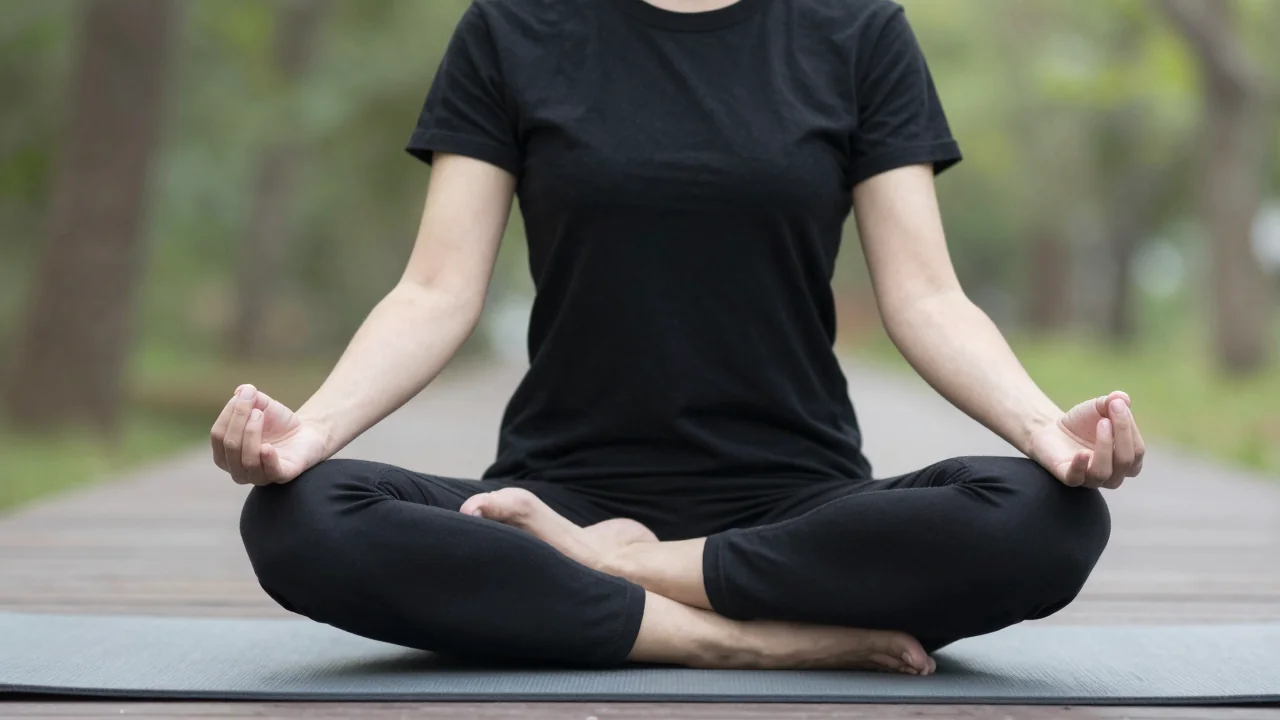
Mindfulness and meditation are two of the most popular and effective ways to relax your mind quickly. Mindfulness involves being fully present and engaged in the current moment, acknowledging and accepting your feelings, thoughts, and bodily sensations. Meditation, on the other hand, is a practice where you focus your mind on a particular object, thought, or activity to achieve a state of mental calm and clarity.
In 2026, mindfulness and meditation have become mainstream practices, with millions of people incorporating them into their daily lives. A study published in the Journal of Positive Psychology found that just 10 minutes of mindfulness meditation can significantly reduce stress and anxiety levels. To get started, find a quiet place, sit comfortably, and focus on your breath. Allow your thoughts to come and go without judgment, and gently bring your focus back to your breath whenever your mind wanders.
For those new to meditation, there are numerous apps and online resources available that can guide you through the process. Apps like Headspace and Calm offer guided meditations that can help you relax your mind quickly and effectively. Whether you prefer guided meditations, breathing exercises, or mindfulness practices, there’s a technique out there that can meet your needs.
Deep Breathing Techniques
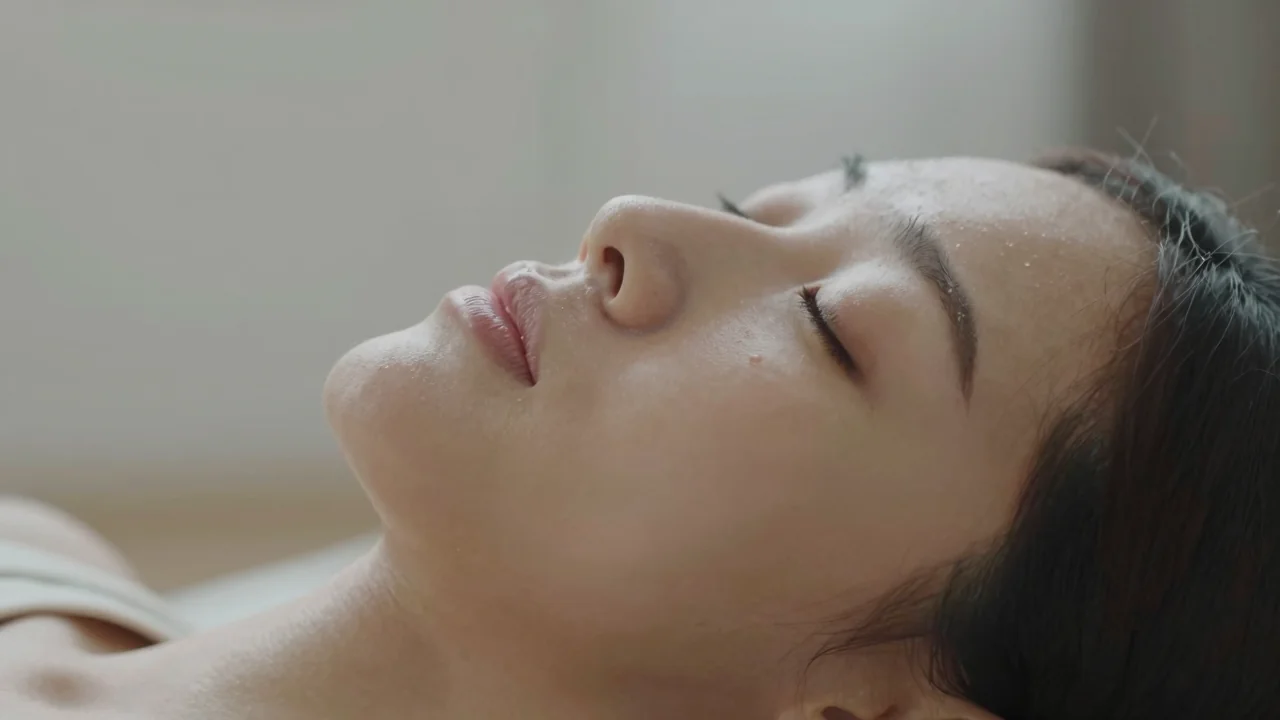
Deep breathing techniques are another powerful tool for relaxing your mind quickly. These techniques involve taking slow, deep breaths to calm your nervous system and reduce stress. By focusing on your breath, you can shift your attention away from stressful thoughts and bring your body into a state of relaxation.
One of the most popular deep breathing techniques is the 4-7-8 method. To practice this technique, inhale deeply through your nose for a count of four, hold your breath for a count of seven, and exhale slowly through your mouth for a count of eight. Repeat this cycle several times until you feel a sense of calm and relaxation. This technique is particularly effective for reducing anxiety and improving sleep quality.
Another effective deep breathing technique is diaphragmatic breathing, also known as belly breathing. To practice diaphragmatic breathing, lie down or sit comfortably, place one hand on your chest and the other on your belly. Inhale deeply through your nose, allowing your belly to expand as you fill your lungs with air. Exhale slowly through your mouth, allowing your belly to deflate. Repeat this cycle for several minutes until you feel a sense of calm and relaxation.
Benefits of Deep Breathing
Deep breathing techniques offer numerous benefits for both your physical and mental health. By reducing stress and anxiety, these techniques can improve your overall well-being and help you manage the challenges of daily life. In addition, deep breathing can lower your heart rate, improve your digestion, and boost your immune system. Incorporating deep breathing techniques into your daily routine can help you achieve a greater sense of calm and relaxation.
Quality Sleep for Mental Health
Quality sleep is essential for maintaining good mental health. When you don’t get enough sleep, your body and mind can become overwhelmed, leading to increased stress, anxiety, and fatigue. According to the Sleep Foundation, the importance of sleep for mental health cannot be overstated. Adults should aim for 7-9 hours of sleep per night to support optimal brain function and overall well-being.
To improve the quality of your sleep, create a relaxing bedtime routine that signals to your body it’s time to wind down. This can include activities like reading a book, taking a warm bath, or listening to calming music. Avoid screens at least an hour before bed, as the blue light emitted by electronic devices can disrupt your sleep patterns. Additionally, ensure your sleep environment is comfortable, with a cool temperature, supportive pillows, and minimal noise.
If you struggle with falling asleep or staying asleep, consider incorporating relaxation techniques like deep breathing or meditation into your bedtime routine. These practices can help calm your mind and prepare your body for a restful night’s sleep. By prioritizing quality sleep, you can support your mental health and improve your overall well-being.

Physical Activities for Mental Relaxation
Engaging in physical activities is another effective way to relax your mind quickly. Exercise releases endorphins, which are natural mood boosters that can help reduce stress and anxiety. Whether you prefer yoga, running, or dancing, finding a physical activity that you enjoy can make a significant difference in your mental health.
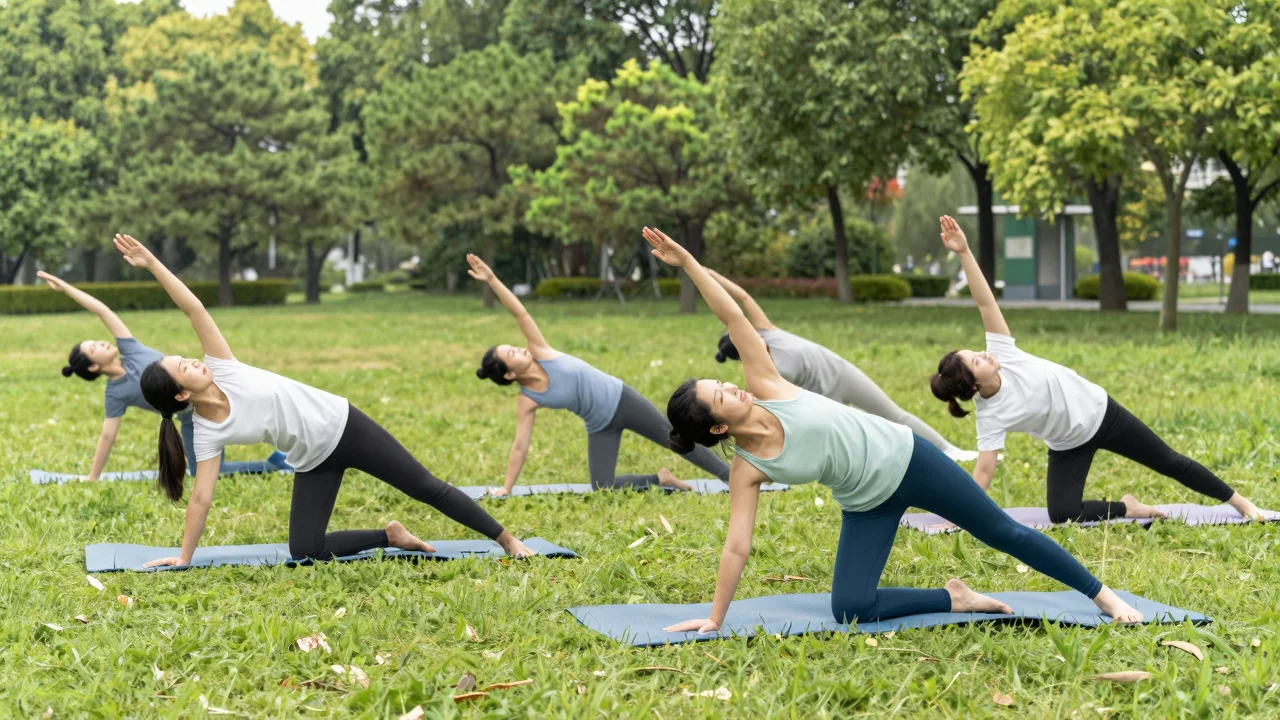
Yoga, in particular, is known for its ability to promote relaxation and mental clarity. By combining physical postures, breathing techniques, and meditation, yoga can help you achieve a state of calm and relaxation. A 2026 study by the American Journal of Psychiatry found that regular yoga practice can reduce symptoms of depression and anxiety by up to 40%. To get started, find a local yoga class or follow along with an online video. Even just 10-15 minutes of yoga can provide immediate relief from stress and anxiety.
Other physical activities like running, swimming, and cycling can also be effective for relaxing your mind quickly. These activities can help you clear your mind and focus on the present moment, allowing you to release tension and stress. Whether you prefer solo activities or group exercises, finding a physical activity that you enjoy can support your mental health and overall well-being.
Balancing Life and Work
Balancing life and work is essential for maintaining good mental health. When you feel overwhelmed by the demands of your job, it can be difficult to find time for relaxation and self-care. According to a 2026 report by the World Health Organization, work-related stress is one of the leading causes of mental health issues worldwide. To combat this, it’s important to set boundaries and prioritize your well-being.
One way to achieve a better work-life balance is to create a schedule that allows for both productivity and relaxation. This can include setting specific work hours, taking regular breaks, and making time for activities that bring you joy. Additionally, practicing life balance tips like delegation, time management, and self-care can help you manage the demands of your job while supporting your mental health.
Another important aspect of balancing life and work is learning to say no. It’s easy to feel pressured to take on more responsibilities than you can handle, but doing so can lead to burnout and increased stress. By setting boundaries and prioritizing your well-being, you can create a sustainable practice that supports your mental health in the long run.
Morning Routines
Creating a morning routine can set the tone for the rest of your day and help you achieve a greater sense of calm and relaxation. A well-structured morning routine can include activities like meditation, exercise, and journaling. By starting your day with intention, you can reduce stress and anxiety and improve your overall well-being.
One effective morning routine practice is to incorporate a morning routine for productivity that includes deep breathing or meditation. This can help you clear your mind and focus on the present moment, allowing you to approach the day with a sense of calm and clarity. Additionally, engaging in physical activities like yoga or stretching can help you release tension and prepare your body for the day ahead.
Another important aspect of a morning routine is to avoid screens for the first hour of your day. The blue light emitted by electronic devices can disrupt your sleep patterns and make it difficult to achieve a state of relaxation. Instead, opt for activities like reading a book, listening to music, or spending time in nature. By creating a morning routine that supports your mental health, you can start your day with a sense of calm and relaxation.
Conclusion and Final Tips
In conclusion, finding effective ways to relax your mind quickly is essential for maintaining good mental health. By incorporating techniques like mindfulness, deep breathing, quality sleep, physical activities, and morning routines into your daily life, you can achieve a greater sense of calm and relaxation. Remember, the key is to find what works best for you and create a sustainable practice that supports your well-being in the long run.
Here are some final tips to help you relax your mind quickly:
- Practice mindfulness and meditation daily.
- Incorporate deep breathing techniques into your routine.
- Prioritize quality sleep and create a relaxing bedtime routine.
- Engage in physical activities that you enjoy.
- Create a morning routine that supports your mental health.
- Set boundaries and prioritize your well-being.
By following these tips, you can achieve a greater sense of calm and relaxation, improving your overall well-being and quality of life. Remember, taking care of your mental health is an ongoing process, and it’s important to be patient and kind to yourself along the way.