

How to Create a Productive Lifestyle with Daily Habits
Creating a productive lifestyle through daily habits is more than just a trend—it’s a science-backed approach to optimizing your time, energy, and focus. In 2026, the emphasis on productivity has shifted from rigid schedules to flexible, sustainable routines that adapt to individual needs. Understanding the science behind daily habits can help you build a foundation for long-term success. Whether you’re a professional, student, or entrepreneur, mastering how to create a productive lifestyle daily habits can transform your personal and professional life.

The Science Behind Daily Habits
The human brain is wired to follow patterns, and habits are the result of repeated actions that become automatic over time. According to a 2026 study by the National Institute of Neuroscience, it takes an average of 27 days for a new behavior to become a habit. This finding underscores the importance of consistency in developing productive routines. Habits form in the basal ganglia, a part of the brain responsible for automatic behaviors, which means the more you repeat a productive action, the easier it becomes. To learn more about the impact of simple daily habits, consider integrating small, manageable changes into your daily routine.
One of the key principles of habit formation is the “habit loop,” which consists of a cue, routine, and reward. For example, if you want to develop a habit of exercising in the morning, the cue could be setting out your workout clothes the night before, the routine is the exercise itself, and the reward could be a healthy breakfast afterward. By understanding this loop, you can design habits that are both effective and sustainable.
Effective Productivity Strategies
Productivity is not just about working harder; it’s about working smarter. In 2026, the most successful individuals rely on a combination of proven strategies and personalization. One of the most effective productivity strategies is the “two-minute rule,” popularized by David Allen, which suggests that if a task takes less than two minutes to complete, you should do it immediately. This rule helps prevent small tasks from piling up and becoming overwhelming.
Another powerful strategy is batching tasks. Instead of tackling similar tasks throughout the day, group them together to minimize context-switching. For example, dedicate specific time slots for emails, meetings, and creative work. This approach can significantly reduce mental fatigue and improve focus. Additionally, setting clear, measurable goals can provide a roadmap for your daily efforts, ensuring that you stay on track and make progress toward your long-term objectives.

Time Management Techniques
Time management is a cornerstone of productivity. In 2026, the most effective time management techniques emphasize flexibility and adaptability. The Pomodoro Technique, for instance, involves working in focused 25-minute intervals followed by a 5-minute break. This method helps maintain high levels of concentration and prevents burnout. For a deeper dive into essential time management strategies, consider exploring resources that align with your work style and preferences.
Prioritization is another critical aspect of time management. The Eisenhower Matrix, a tool that helps you categorize tasks based on urgency and importance, can be invaluable. By focusing on tasks that have a significant impact on your goals, you can avoid wasting time on less critical activities. Additionally, delegating tasks when possible can free up your time to concentrate on high-value activities that require your unique skills and expertise.
Self-Care and Productivity
Self-care is not a luxury; it’s a necessity for maintaining productivity. In 2026, the link between self-care and productivity has become increasingly clear. When you prioritize your physical, mental, and emotional well-being, you create a solid foundation for sustained productivity. This includes getting adequate sleep, eating a balanced diet, and engaging in regular physical activity. For more insights into self-care practices that can enhance your daily routine, consider incorporating mindfulness and relaxation techniques into your schedule.
Mindfulness practices, such as meditation and deep breathing exercises, can help reduce stress and improve focus. Research from 2026 shows that individuals who practice mindfulness regularly report higher levels of productivity and job satisfaction. Additionally, taking regular breaks and setting boundaries between work and personal life can prevent burnout and ensure that you remain energized and motivated throughout the day.

Creating a Productive Morning Routine
Your morning routine sets the tone for the rest of your day. A well-structured morning routine can help you start your day with clarity, focus, and a positive mindset. Begin by waking up at the same time every day to establish a consistent sleep pattern. Follow this with hydration, light exercise, and a nutritious breakfast to fuel your body and mind. Incorporating activities that bring you joy, such as reading, journaling, or listening to uplifting music, can also enhance your mood and motivation.
Planning your day the night before can save you valuable time and reduce morning stress. Make a to-do list, prioritize your tasks, and set clear intentions for what you want to accomplish. This proactive approach ensures that you hit the ground running and make the most of your time. Additionally, avoiding distractions like social media and emails first thing in the morning can help you maintain focus on your most important tasks.
Evening Habits for Better Productivity
Evening habits are just as important as morning routines when it comes to productivity. In 2026, the most productive individuals use their evenings to reflect, plan, and unwind. Reflecting on your day can help you identify what went well and what could be improved. This practice fosters continuous learning and growth. Planning the next day’s tasks ensures that you start the following day with a clear direction and purpose.
Creating a relaxing bedtime routine can improve sleep quality, which is essential for productivity. Avoid screens at least an hour before bed, as the blue light can disrupt your sleep cycle. Instead, engage in calming activities such as reading, gentle stretching, or listening to soothing music. Establishing a consistent bedtime and wake-up time can also help regulate your body’s internal clock, ensuring that you wake up feeling refreshed and ready to tackle the day.
Technology and Productivity Tools
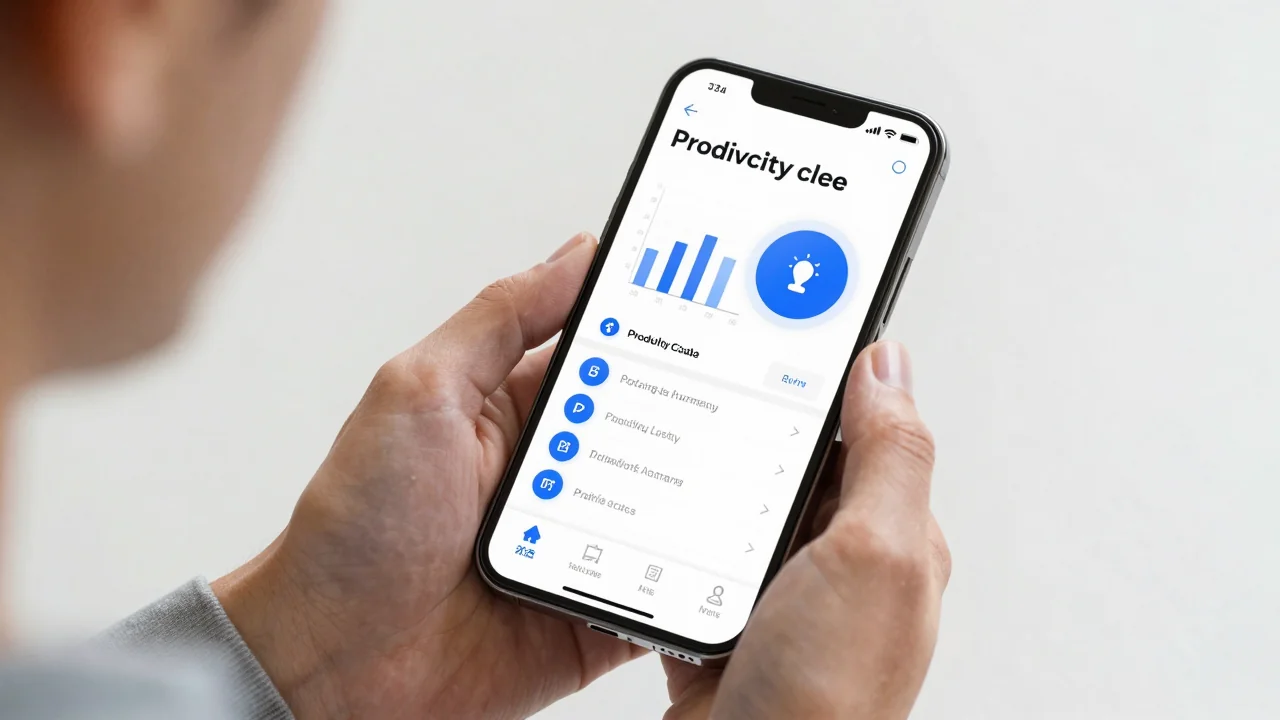
Technology can be a double-edged sword when it comes to productivity. While it offers numerous tools and resources to enhance efficiency, it can also be a source of distraction. In 2026, the most productive individuals leverage technology to their advantage by using apps and tools that streamline their workflow. Project management software, such as Trello and Asana, can help you organize tasks, set deadlines, and collaborate with team members effectively.
Time-tracking tools, like Toggl and RescueTime, provide valuable insights into how you spend your time, enabling you to identify areas for improvement. Additionally, note-taking apps, such as Evernote and OneNote, can help you capture and organize ideas, ensuring that you never lose track of important information. By integrating these tools into your daily routine, you can enhance your productivity and achieve your goals more efficiently.
Overcoming Procrastination
Procrastination is a common challenge that can hinder productivity. In 2026, the most effective strategies for overcoming procrastination focus on understanding its root causes and addressing them proactively. One of the primary reasons for procrastination is fear of failure or perfectionism. To combat this, break your tasks into smaller, manageable steps and focus on progress rather than perfection.
Another effective strategy is the “5-minute rule,” which involves committing to working on a task for just five minutes. Often, starting a task is the hardest part, and once you begin, you’re more likely to continue. Additionally, creating a sense of accountability by sharing your goals with a friend or using a productivity app can motivate you to stay on track. By implementing these strategies, you can overcome procrastination and make consistent progress toward your goals.

Creating a productive lifestyle through daily habits is a journey that requires patience, consistency, and a willingness to adapt. By understanding the science behind habits, implementing effective productivity strategies, and leveraging technology, you can build a routine that supports your personal and professional goals. Remember, productivity is not about perfection—it’s about progress. Start small, stay consistent, and watch as your efforts transform your life.