

Effective Money Saving Tips for Beginners
Saving money is a fundamental skill that can transform your financial future. Whether you’re looking to build an emergency fund, pay off debt, or invest for retirement, effective money saving tips for beginners can set you on the right path. In today’s economic climate, financial stability is more important than ever. By adopting smart saving habits early, you can avoid financial stress and achieve your long-term goals.

Why Saving Money Matters
Understanding the importance of saving money is the first step toward financial freedom. Saving helps you prepare for unexpected expenses, such as medical emergencies or car repairs, without relying on debt. Additionally, it allows you to invest in your future, whether that means buying a home, starting a business, or retiring comfortably. According to financial experts, individuals who start saving early benefit from compound interest, which can significantly grow their wealth over time.
Moreover, saving money reduces financial anxiety. Knowing that you have a safety net can improve your mental health and overall well-being. It also gives you the freedom to pursue your passions and live life on your terms. By prioritizing saving, you’re investing in a more secure and fulfilling future.

Setting Clear Financial Goals
To make your saving efforts effective, you need to set clear financial goals. Start by identifying what you want to achieve, such as saving for a down payment on a house, a dream vacation, or a new car. Break down your goals into short-term and long-term objectives. Short-term goals can be achieved within a year, while long-term goals may take several years to accomplish.
Write down your goals and make them specific, measurable, achievable, relevant, and time-bound (SMART). For example, instead of saying “I want to save money,” say “I want to save $5,000 in the next 12 months for an emergency fund.” This clarity will help you stay motivated and focused on your saving journey.
Regularly review your goals to ensure they align with your current financial situation and aspirations. Adjust them as needed to stay on track. Remember, your goals should be flexible and adaptable to life’s changes.
Budgeting Strategies for Beginners
Creating a budget is a crucial step in effective money saving. A budget helps you understand where your money is going and identifies areas where you can cut back. Start by tracking your income and expenses for a month. Categorize your spending into needs, wants, and savings.
Use the 50/30/20 rule as a guideline: allocate 50% of your income to needs (housing, utilities, groceries), 30% to wants (dining out, entertainment), and 20% to savings and debt repayment. Adjust these percentages based on your financial goals and circumstances.
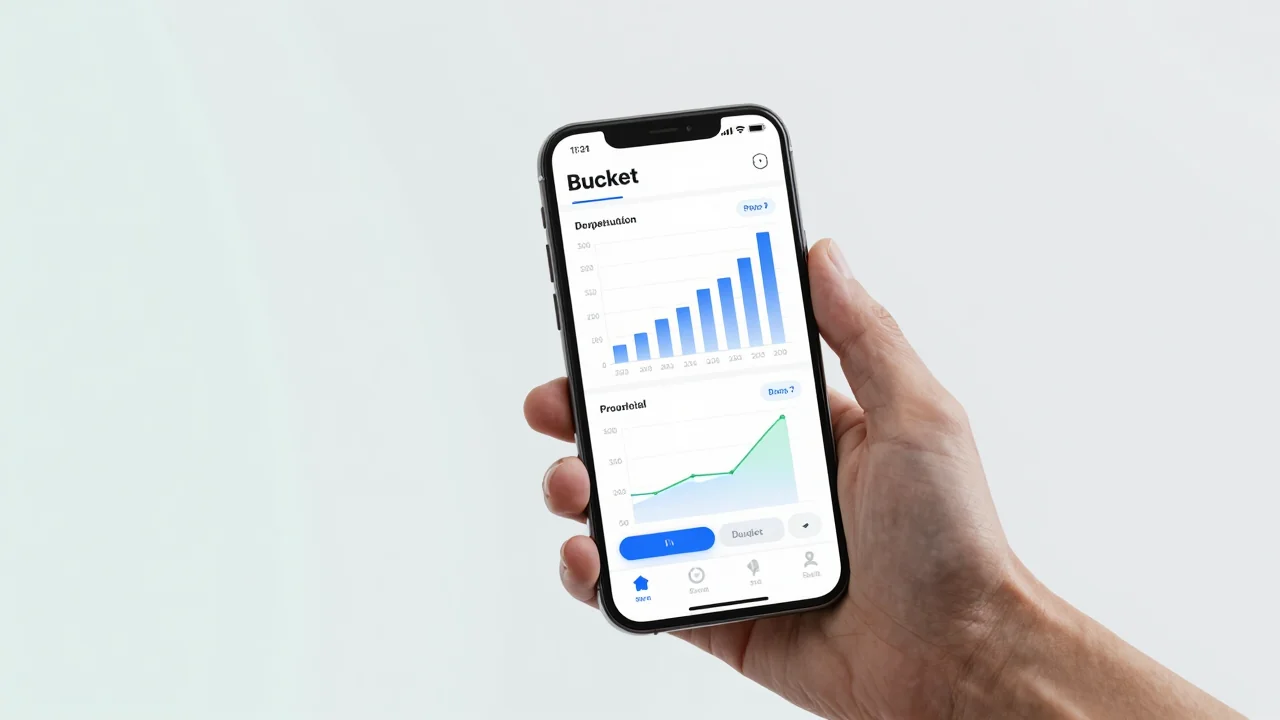
Consider using budgeting apps or spreadsheets to simplify the process. These tools can help you monitor your spending, set savings targets, and receive alerts when you’re overspending. Regularly review and update your budget to ensure it remains effective.
Automating Your Savings
Automating your savings is one of the most effective money saving tips for beginners. By setting up automatic transfers from your checking account to your savings account, you ensure that you save money consistently without having to think about it. This approach removes the temptation to spend your savings and makes saving a priority.
Start by determining how much you can afford to save each month. Even small amounts can add up over time. Schedule automatic transfers to coincide with your payday, so you save money before you have a chance to spend it. Many banks and financial institutions offer this feature, making it easy to get started.
Consider opening a high-yield savings account for your automated savings. These accounts offer higher interest rates than traditional savings accounts, helping your money grow faster. Over time, the power of compound interest can significantly increase your savings.
Cutting Everyday Expenses
Reducing everyday expenses is another key strategy for effective money saving. Small changes in your daily spending can lead to significant savings over time. Start by reviewing your monthly bills and identifying areas where you can cut back. For example, consider switching to a cheaper mobile plan or negotiating lower rates with your service providers.
When it comes to groceries, plan your meals and make a shopping list to avoid impulse purchases. Buy in bulk and choose store-brand products to save money. Additionally, look for smart ways to cut daily spending, such as using coupons, shopping during sales, and reducing energy consumption at home.
Entertainment and dining out can also be major expenses. Instead of eating out frequently, try cooking at home and hosting potluck dinners with friends. For entertainment, explore free or low-cost activities in your community, such as hiking, visiting museums, or attending local events.

Complementing Your Savings with Passive Income
While saving money is essential, complementing your savings with passive income can accelerate your financial growth. Passive income refers to earnings that require little to no effort to maintain. Examples include rental income, dividend stocks, and digital products. By diversifying your income streams, you can increase your savings and achieve your financial goals faster.
Explore different passive income ideas that align with your skills and interests. For instance, if you enjoy writing, consider creating an e-book or starting a blog. If you have a knack for photography, sell your photos online. The key is to find a passive income stream that you can sustain over the long term.
Investing in dividend-paying stocks or real estate can also provide a steady stream of passive income. Research different investment options and consult with a financial advisor to make informed decisions. Remember, passive income requires an initial investment of time or money, but the long-term benefits can be substantial.
Daily Habits That Help You Save Money
Incorporating daily habits that promote saving can make a significant difference in your financial health. Small, consistent actions can lead to big savings over time. Start by practicing mindful spending. Before making a purchase, ask yourself if you truly need the item or if it’s just a want. This habit can help you avoid impulse buys and save money.
Another effective habit is tracking your expenses. Use a notebook or a budgeting app to record every purchase. This practice increases your awareness of where your money is going and helps you identify areas for improvement. Additionally, set aside time each week to review your finances and adjust your spending as needed.
Implementing daily habits for financial success such as meal prepping, using public transportation, and unplugging electronics when not in use can also contribute to your savings. These habits not only save you money but also promote a healthier and more sustainable lifestyle.

Avoiding Common Saving Mistakes
Even with the best intentions, it’s easy to make mistakes when saving money. One common mistake is not having an emergency fund. Without an emergency fund, unexpected expenses can derail your savings and force you into debt. Aim to save at least three to six months’ worth of living expenses in an emergency fund.
Another mistake is relying on credit cards for everyday expenses. While credit cards can be useful for building credit, they can also lead to high-interest debt if not managed properly. Use credit cards sparingly and pay off your balance in full each month to avoid interest charges.
Finally, avoid the temptation to compare your savings journey with others. Everyone’s financial situation is unique, and what works for one person may not work for another. Focus on your own goals and progress, and celebrate your achievements along the way.
“The best time to start saving money is now. Even small amounts can grow into significant savings over time.”