Simple Ways to Improve Your Environment Daily: A Guide for 2026
In 2026, the focus on simple ways to improve your environment daily has never been more critical. With climate change and environmental degradation at the forefront of global conversations, individuals are seeking practical, everyday actions to make a positive impact. The good news is that even small, consistent changes can lead to significant improvements in your immediate surroundings and the planet as a whole. This guide explores actionable strategies, sustainable living practices, and long-term solutions to help you contribute to a healthier environment.

Introduction to Environmental Improvement
Environmental improvement begins with awareness and a commitment to change. In 2026, studies show that over 70% of people recognize the importance of sustainable living, yet many struggle to implement these practices daily. The key is to start small, focusing on manageable habits that gradually become second nature. Whether it’s reducing waste, conserving energy, or supporting eco-friendly products, every effort counts.
According to recent reports, the collective impact of individual actions can significantly reduce carbon footprints and promote biodiversity. For instance, reducing single-use plastics by just 10% can save thousands of marine animals annually. By adopting simple, daily practices, you not only improve your immediate environment but also inspire others to do the same.
Simple Ways to Improve Your Environment Daily
Incorporating simple ways to improve your environment daily into your routine doesn’t have to be complicated. Here are some practical tips to get you started:
- Start your day by turning off all unnecessary lights and electronics to conserve energy.
- Use reusable bags and containers instead of single-use plastics when shopping or packing meals.
- Reduce water waste by fixing leaks promptly and using water-saving appliances.
- Choose eco-friendly cleaning products that are free from harmful chemicals.
- Participate in local community clean-up events or organize one in your neighborhood.
These small changes can add up to substantial environmental benefits over time. For example, switching to reusable bags can reduce plastic waste by up to 90% per household annually. Additionally, conserving water not only helps the environment but also lowers your utility bills, making it a win-win situation.

Sustainable Living Practices
Sustainable living practices are essential for long-term environmental health. In 2026, the trend towards minimalism and conscious consumption continues to gain momentum. By making mindful choices about what you buy and how you use resources, you can significantly reduce your environmental impact.
One of the most effective sustainable living practices is to adopt a plant-based diet, even if it’s just a few meals a week. Livestock farming is a major contributor to greenhouse gas emissions, and reducing meat consumption can help lower your carbon footprint. Additionally, supporting local farmers and choosing seasonal produce reduces the environmental cost of transportation and storage.
Another key practice is to prioritize energy efficiency in your home. Switching to LED lighting, using smart thermostats, and investing in energy-efficient appliances can dramatically cut your energy consumption. Solar panels and wind turbines are also becoming more accessible and affordable, making renewable energy a viable option for many households.
Health Benefits of a Clean Environment
A clean environment is not only beneficial for the planet but also for your health. Studies have shown that exposure to pollution and toxic chemicals can lead to a range of health issues, including respiratory diseases, cardiovascular problems, and even mental health disorders. By improving your environment, you create a safer and healthier space for yourself and your loved ones.
For more environmental health tips, consider reducing indoor air pollution by using air purifiers, opening windows for ventilation, and avoiding synthetic fragrances. Outdoor activities such as gardening, hiking, and biking can also boost your physical and mental well-being while promoting environmental stewardship.
The World Health Organization emphasizes that a healthy environment is a fundamental human right. By taking steps to improve your surroundings, you contribute to a global effort to protect public health and ensure a sustainable future for generations to come.
Eco-Friendly Home Improvements
Your home is a great place to start making eco-friendly improvements. In 2026, the demand for sustainable home design and construction has surged, with homeowners opting for materials and practices that minimize environmental impact. From energy-efficient insulation to water-saving fixtures, there are numerous ways to make your home more environmentally friendly.
One popular trend is the use of recycled and upcycled materials in home decor and construction. Repurposing old furniture, using reclaimed wood, and choosing eco-friendly paints and finishes can reduce waste and support sustainable industries. Additionally, installing low-flow showerheads and faucets can save thousands of gallons of water annually.
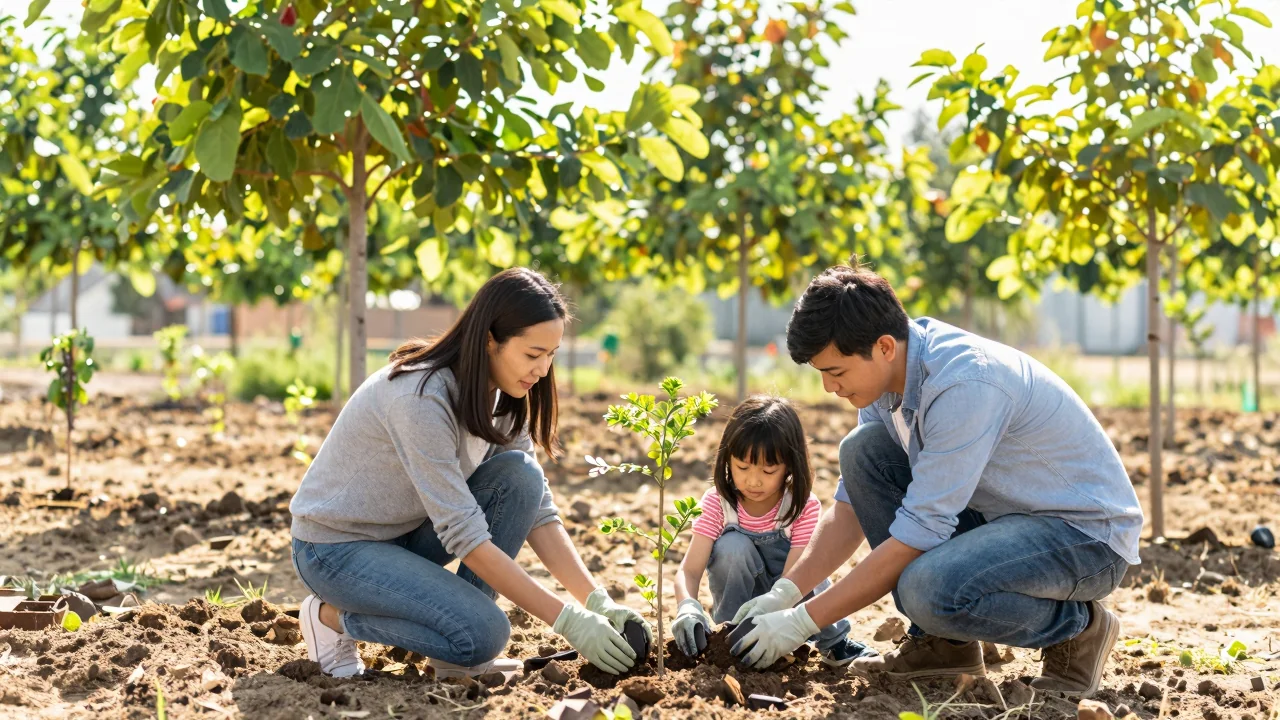
Outdoor spaces also play a crucial role in environmental improvement. Planting native trees and shrubs provides habitat for wildlife, improves air quality, and reduces soil erosion. Creating a water-efficient landscape with drought-resistant plants and proper irrigation systems can also conserve water and enhance your home’s curb appeal.
Social and Environmental Well-being
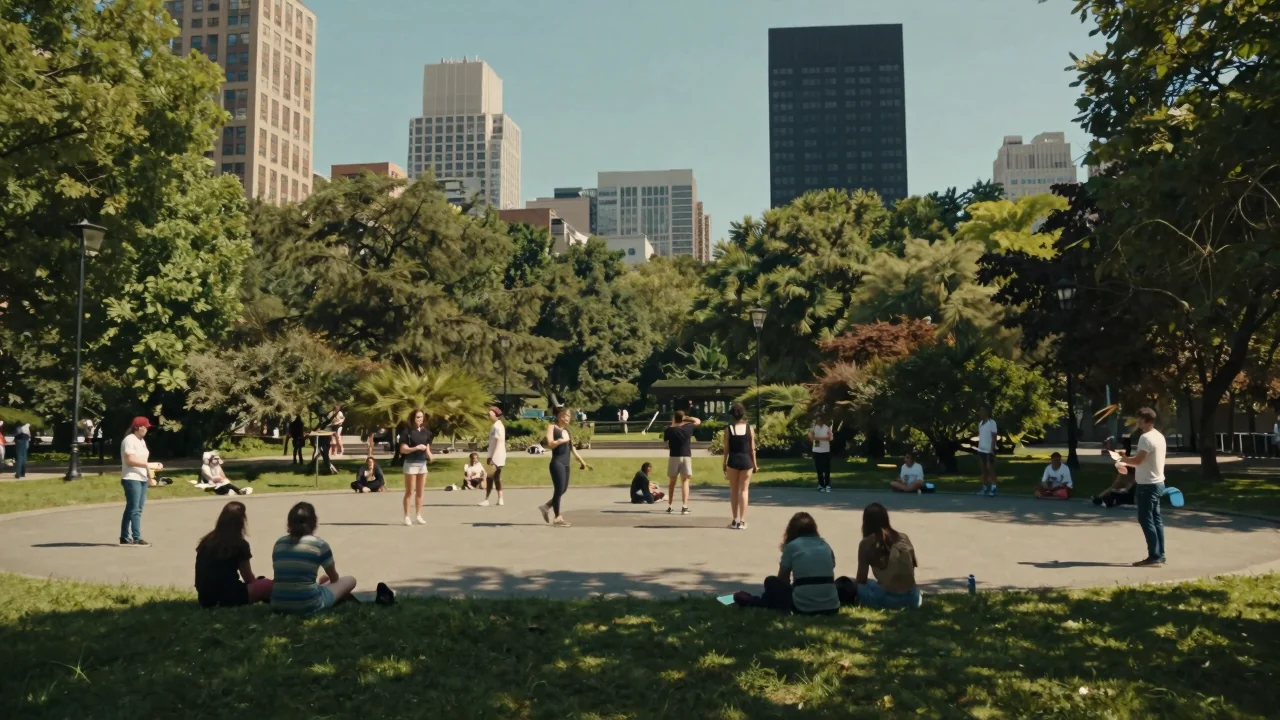
The connection between social well-being and environmental health is undeniable. A clean, sustainable environment fosters stronger communities and promotes social interaction. By engaging with your neighbors and participating in local environmental initiatives, you can create a supportive network that works together towards common goals.
For those who find it challenging to engage socially, resources on improving social skills can be invaluable. Building connections within your community not only enhances your personal well-being but also amplifies the impact of your environmental efforts. Collective action is often more effective than individual efforts, so don’t hesitate to reach out and collaborate with others.
Community gardens, recycling programs, and clean-up drives are excellent ways to bring people together for a common cause. These initiatives not only improve the environment but also strengthen social bonds and promote a sense of shared responsibility.

Long-Term Strategies for Environmental Improvement
While daily habits are essential, long-term strategies are crucial for sustained environmental improvement. In 2026, governments and organizations worldwide are implementing policies and programs to promote sustainability and combat climate change. As an individual, you can support these efforts by advocating for environmental policies, investing in green technologies, and making sustainable choices in your personal and professional life.
One effective long-term strategy is to reduce your reliance on fossil fuels by transitioning to renewable energy sources. Installing solar panels, using public transportation, and choosing electric vehicles are all steps in the right direction. Additionally, supporting businesses that prioritize sustainability and ethical practices can drive market demand for eco-friendly products and services.
Education and awareness are also key components of long-term environmental improvement. By staying informed about the latest environmental issues and sharing your knowledge with others, you can inspire action and foster a culture of sustainability. Participating in workshops, webinars, and online courses can deepen your understanding and equip you with the tools to make a difference.
Conclusion: Start Small, Think Big
In conclusion, simple ways to improve your environment daily are within reach for everyone. By starting with small, manageable changes and gradually incorporating more sustainable practices into your routine, you can make a significant impact on your immediate surroundings and the planet as a whole. Remember that every action counts, and collective efforts can lead to transformative change.
As you embark on your journey towards a cleaner, healthier environment, keep in mind that progress is a continuous process. Celebrate your achievements, learn from your challenges, and stay motivated by the positive impact you are making. Together, we can create a sustainable future for generations to come.