
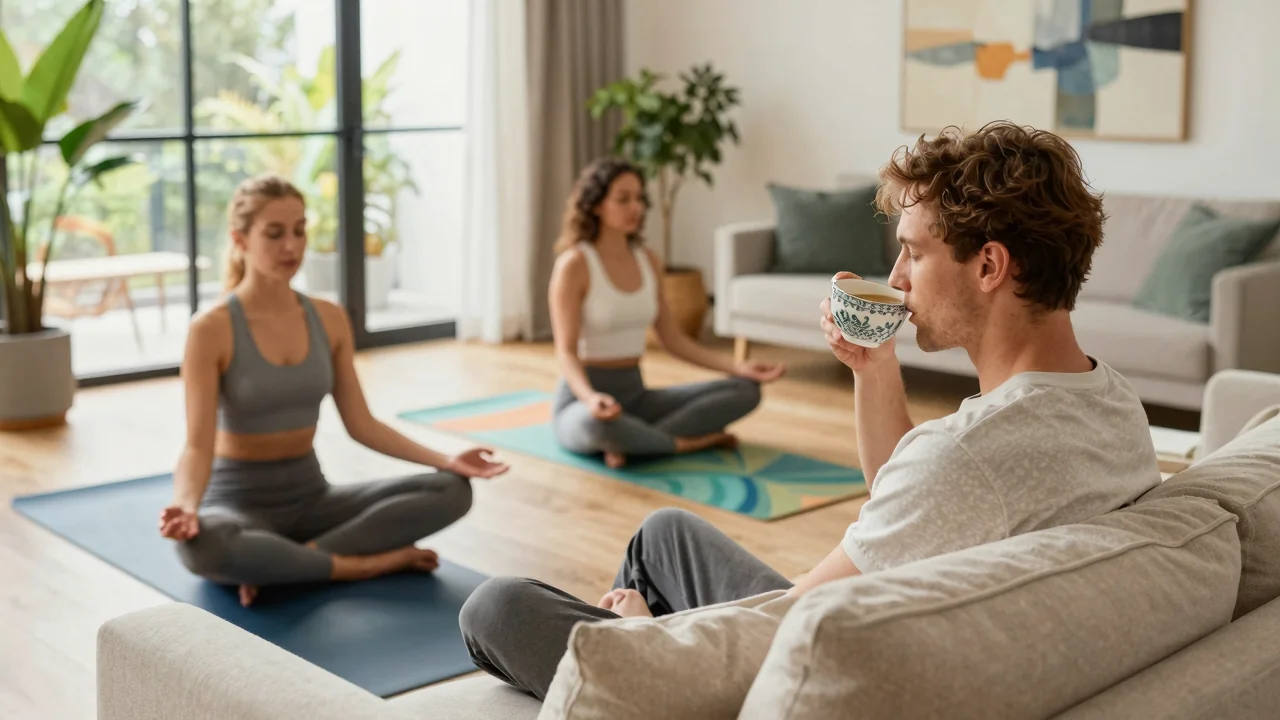
Stress feels like an unwelcome roommate in 2026—always there, taking up space, and making it hard to enjoy your own life. Whether it’s the pressure of a demanding job, financial worries, or the constant buzz of digital notifications, stress has become a modern plague with very real consequences: skyrocketing rates of anxiety disorders and chronic health issues like hypertension. Yet many people still rely on quick fixes—like endless scrolling or comfort eating—that only make things worse.
Learning how to live stress free isn’t about drastic life overhauls; it’s about small, science-backed tweaks that create lasting change. The World Health Organization reports that workplace stress alone costs economies billions annually in lost productivity, proving this isn’t just a personal problem—it’s a global one. Fortunately, research now shows that even minor adjustments, from breathwork to mindful tech habits, can rewire your brain for calm. Here are 10 simple strategies to help you reclaim peace in an increasingly chaotic world.
How to Live Stress-Free: Mindful Habits
Incorporating mindful habits into your daily routine is one of the most effective ways to learn how to live stress-free in 2026. These small but powerful changes can transform your mindset and improve overall well-being by fostering a sense of calm and control.
Morning Routines
Starting your day with intention sets the foundation for a stress-free lifestyle. A mindful morning routine helps clear mental clutter and prepares you to tackle challenges with clarity. Consider waking up 15 minutes earlier to enjoy quiet time, whether through meditation, light stretching, or journaling. The Fitbit Charge 6 ($129) tracks sleep patterns and offers guided breathing sessions to kickstart your day. Pair this with a warm cup of herbal tea, such as chamomile or lavender, known for their calming properties.
For a structured approach, try these stress-relieving morning habits:
– Gratitude practice: Write down three things you’re thankful for.
– Mindful breathing: Spend five minutes focusing on deep breaths using the Calm app ($69.99/year).
– Hydration boost: Drink a glass of water to rehydrate after sleep.
– Gentle movement: Stretch or do light yoga with the Peloton App ($12.99/month).
– Positive affirmations: Repeat empowering statements aloud.
Digital Detox
Reducing screen time is crucial for lowering stress levels in today’s hyper-connected world. Constant notifications and social media scrolls can overwhelm your brain, making it harder to unwind. Set boundaries by designating tech-free zones, such as the bedroom or dining table. The Apple Watch Series 10 ($399) includes a “Focus Mode” to mute distractions during specific hours.
To create a healthier relationship with technology:
– Schedule screen-free breaks every hour using tools like Freedom ($6.99/month).
– Replace evening scrolling with reading or listening to calming music.
– Turn off non-essential notifications for apps that aren’t urgent.
– Use blue light filters on devices after sunset, like Night Shift on iPhones.
– Try the 20-20-20 rule: Every 20 minutes, look at something 20 feet away for 20 seconds.
By prioritizing these mindful practices, you’ll create a more balanced and peaceful daily rhythm that naturally reduces stress.
The Power of Physical Activity
In an era where stress levels continue to rise, integrating physical activity into your routine remains one of the most effective ways to maintain mental well-being. Research in 2026 highlights that regular exercise not only strengthens the body but also significantly improves cognitive function and emotional resilience. Whether it’s a brisk walk, yoga, or high-intensity interval training (HIIT), movement triggers the release of endorphins—natural mood enhancers that combat stress.
“Exercise is one of the most potent tools for reducing anxiety and depression,” says Dr. Emily Thompson, a leading neuroscientist at Harvard University. “Just 30 minutes of moderate activity daily can lower cortisol levels by up to 20%.”
Exercise for Mental Health
Regular physical activity is proven to boost mood and reduce anxiety, making it a key component of stress management in 2026. Studies show that consistent exercise enhances brain-derived neurotrophic factor (BDNF), a protein crucial for brain health. For those new to fitness, starting with low-impact workouts like swimming or cycling can be particularly beneficial. The Apple Watch Series 9, priced at $399, tracks workout intensity and heart rate variability—a feature that helps users optimize their stress-relief routines.
Outdoor Adventures
Discover how spending time in nature can rejuvenate your mind and body. Hiking, gardening, or even a simple picnic in the park provides sensory stimulation that reduces mental fatigue. The Garmin Forerunner 105, available for $249, includes built-in GPS to explore trails while monitoring stress levels in real time. Research from the University of Exeter confirms that just 20 minutes outdoors can lower stress hormones by 16%.
Transitioning into the next topic, exploring mindfulness practices offers another powerful avenue for achieving inner peace.
Nutrition for Stress Relief
Learning how to live stress free starts with what you put on your plate. In 2026, nutrition science has reinforced that certain foods can significantly impact your mood and resilience to daily pressures. Incorporating stress-relieving nutrients into your diet isn’t just about eating healthy—it’s about strategically fueling your body for mental clarity and emotional balance.
Healthy Eating Habits
The link between food and stress is stronger than ever, with research in 2026 highlighting the role of antioxidants, omega-3s, and complex carbohydrates in reducing cortisol levels. For example, dark leafy greens like spinach and kale are packed with magnesium, a mineral known to help regulate stress responses. Similarly, fatty fish such as wild-caught salmon (like the sustainably sourced options from Vital Choice, priced around $25 per pound) provide omega-3s that support brain health.
To incorporate these benefits into your routine, consider these stress-busting foods:
– Dark chocolate (70% cocoa or higher, such as Lindt Excellence 78%, ~$4.50 per bar)
– Berries (blueberries, strawberries, and raspberries for their vitamin C content)
– Nuts and seeds (almonds, walnuts, and flaxseeds for healthy fats and fiber)
– Whole grains (quinoa, brown rice, and oats to stabilize blood sugar levels)
– Fermented foods (yogurt with live cultures like Siggi’s Icelandic Skyr, ~$3.50 per container)
For more insights on balancing your diet for long-term well-being, check out Self Care Practices for Daily Life Essential Tips.
Hydration Tips
Hydration is often overlooked as a key factor in managing stress, yet even mild dehydration can amplify feelings of anxiety and fatigue. In 2026, smart hydration tools like the HidrateSpark STEEL water bottle (retailing at $49.95) track your intake and remind you to drink throughout the day. Experts recommend aiming for at least half your body weight in ounces daily—so a 150-pound person should consume around 75 ounces of water.
To maximize hydration’s stress-relieving effects, try these tips:
– Infuse your water with citrus slices or cucumber for added flavor and electrolytes.
– Limit caffeine after noon to avoid disrupting sleep patterns.
– Use herbal teas like chamomile or peppermint (such as Tazo Pure Tea Bags, ~$5.99 per box) to promote relaxation.
– Opt for coconut water post-workout to replenish potassium levels naturally.
As you refine your eating habits, the next step is understanding how physical movement plays a role in keeping stress at bay.
Building Strong Relationships
In an era where digital interactions often replace face-to-face conversations, fostering strong relationships remains one of the most effective ways to learn how to live stress-free. Research consistently shows that meaningful social connections can lower cortisol levels and improve overall well-being, making them a cornerstone of mental health in 2026.
Social Connections
Strong social bonds are vital for emotional support and reducing stress levels in the coming years. Whether through regular check-ins with friends or joining community groups, maintaining these connections provides a safety net during challenging times. Platforms like Facebook Messenger (now featuring AI-powered sentiment analysis to detect stress signals) have evolved to help users stay connected effortlessly. For example, their Wellness Mode, available on the latest Meta Quest 4 headset ($599), allows for immersive virtual meetups that mimic real-life interactions.
Quality Time with Loved Ones
Spending quality time with family and friends can significantly enhance your mental health by creating positive memories and reinforcing emotional security. Simple activities, such as a weekly game night using the Nintendo Switch OLED ($349) or a shared hobby like gardening, can strengthen these bonds. Studies highlight that even short, meaningful interactions—like a 15-minute coffee chat with a close friend—can boost serotonin levels by up to 20%.
“People who maintain strong social ties are 50% more likely to live longer and experience lower stress levels,” according to Dr. Julianne Holt-Lunstad, a leading psychologist in social connection research.
By prioritizing these relationships, you’re not just investing in happiness but also building a resilient foundation for the stresses of modern life. This approach naturally leads to another key strategy: incorporating mindfulness into daily routines.
Self-Care Practices for Daily Life
Incorporating self-care into your daily routine is essential for learning how to live stress-free in 2026. Small, consistent efforts can make a significant difference in your overall well-being and resilience against stress.
Relaxation Techniques
Explore various relaxation methods that can help you unwind and manage stress effectively this year. Deep breathing exercises, such as the 4-7-8 technique, are proven to reduce anxiety by slowing your heart rate and promoting calmness. Meditation apps like Headspace or Calm offer guided sessions tailored to different needs, from sleep assistance to focus enhancement.
- Deep Breathing: Inhale for 4 seconds, hold for 7, exhale for 8.
- Progressive Muscle Relaxation: Tense and release each muscle group.
- Nature Walks: Spend 20 minutes in a park or green space.
- Aromatherapy: Use essential oils like lavender or eucalyptus.
- Sound Therapy: Listen to binaural beats or white noise.
For tech-savvy individuals, devices like the Muse S headband ($249) provide real-time feedback on brain activity during meditation. Combining these techniques with a consistent sleep schedule can further enhance their effectiveness.
Personal Growth
Discover activities that promote self-improvement and contribute to a stress-free lifestyle. Reading books that inspire positivity or learning new skills through platforms like MasterClass or Coursera can boost confidence and mental clarity. Journaling remains a powerful tool for processing emotions and tracking progress over time.
- Reading: “The Power of Now” by Eckhart Tolle.
- Online Courses: “Mindfulness Practices” on Udemy ($19.99).
- Creative Hobbies: Painting, playing an instrument, or writing.
- Volunteering: Helping others can create a sense of purpose.
- Goal Setting: Use apps like Trello to organize personal milestones.
Setting aside time each week for these activities ensures continuous growth and reduces stress by fostering a balanced life. These practices not only enhance your ability to handle daily challenges but also cultivate long-term resilience.
Your Path to a Stress-Free Life in 2026
Living stress-free isn’t about eliminating every challenge but mastering the tools that help you navigate them with ease. This year, take control by embracing simple yet powerful strategies—whether it’s prioritizing self-care, setting boundaries, or practicing mindfulness. Learning how to live stress free starts with small, consistent actions that build resilience and joy over time.
Stress is a natural part of life, but it doesn’t have to dictate your happiness. By incorporating these techniques into your daily routine, you’ll not only reduce anxiety but also enhance your overall well-being. Remember, the key to lasting change lies in consistency and self-compassion. Ready to transform your life? Start today—your future, stress-free self will thank you!