
Self Care Practices for Daily Life: A Comprehensive Guide for 2026
In the fast-paced world of 2026, maintaining a healthy balance between work, personal life, and mental well-being has become more crucial than ever. The concept of self care practices for daily life has evolved from a niche trend to a fundamental necessity, embraced by individuals across all walks of life. Whether you’re a busy professional, a stay-at-home parent, or a student juggling multiple responsibilities, integrating self care into your daily routine can significantly enhance your quality of life.
Self care is not just about indulging in luxurious spa treatments or taking extended vacations; it’s about fostering a sustainable lifestyle that prioritizes your physical, emotional, and mental health. By adopting mindful habits and making conscious choices, you can create a harmonious environment that supports your overall well-being.
This guide will explore the various dimensions of self care, backed by scientific research and practical advice, to help you incorporate effective self care practices for daily life into your routine.
Benefits of Self Care
The benefits of self care practices for daily life are vast and well-documented. Regular self care can lead to improved mental health, reduced stress levels, and enhanced productivity. According to recent studies, individuals who practice self care report higher levels of happiness, better sleep quality, and stronger immune systems. These positive outcomes are not just anecdotal but are supported by extensive research in the field of psychology and wellness.
One of the most significant advantages of self care is its ability to combat stress. Chronic stress can have detrimental effects on both physical and mental health, leading to conditions such as anxiety, depression, and cardiovascular diseases. By engaging in self care activities, you can effectively manage stress and mitigate its harmful impacts.
Additionally, self care fosters a sense of self-worth and empowerment. When you take the time to nurture yourself, you send a powerful message to your subconscious mind that you are valuable and deserving of care. This can boost your self-esteem and confidence, enabling you to navigate life’s challenges with greater resilience.
Self care also plays a crucial role in maintaining healthy relationships. When you prioritize your well-being, you are better equipped to give your best to your loved ones. This creates a positive ripple effect, enhancing the quality of your interactions and strengthening your connections with others.
In summary, the benefits of self care are multifaceted, encompassing mental, emotional, and physical health. By making self care a priority, you invest in a healthier, happier, and more fulfilling life.

Research-Backed Self Care Techniques
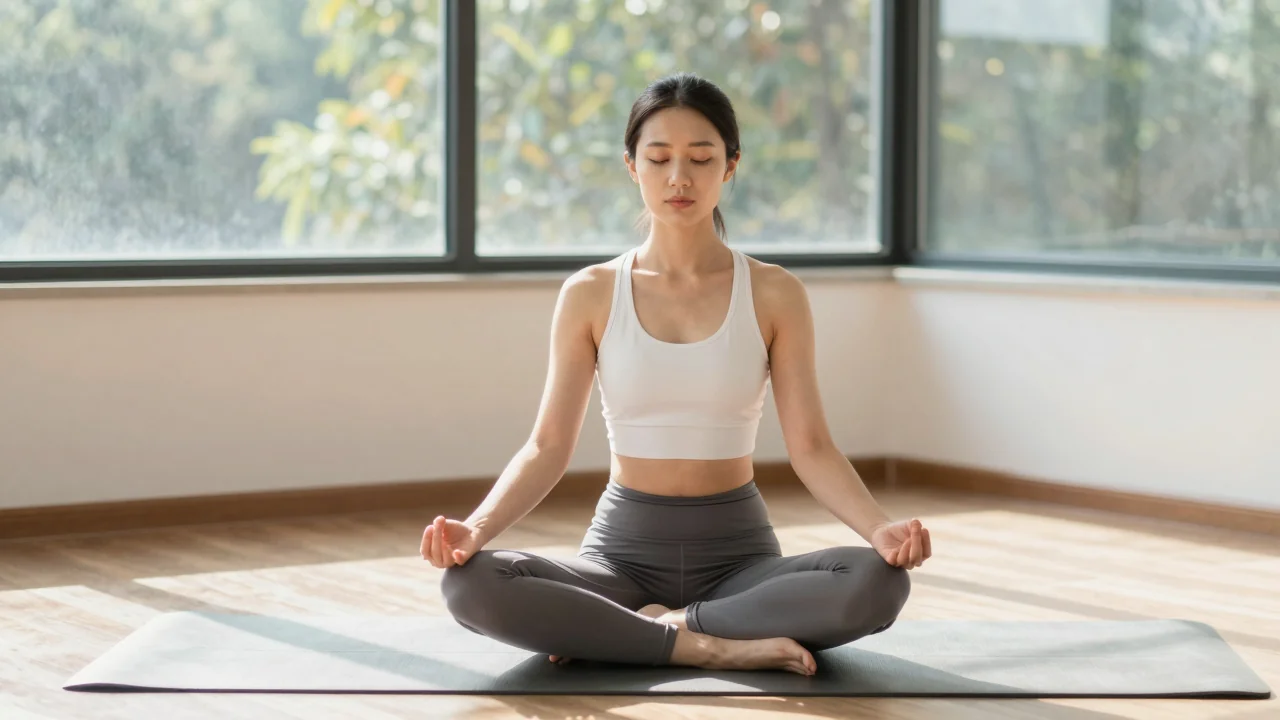
To reap the full benefits of self care practices for daily life, it’s essential to adopt techniques that are backed by scientific research. One of the most effective methods is mindfulness meditation, which has been shown to reduce stress and improve focus. By practicing mindfulness for just a few minutes each day, you can cultivate a greater sense of awareness and presence.
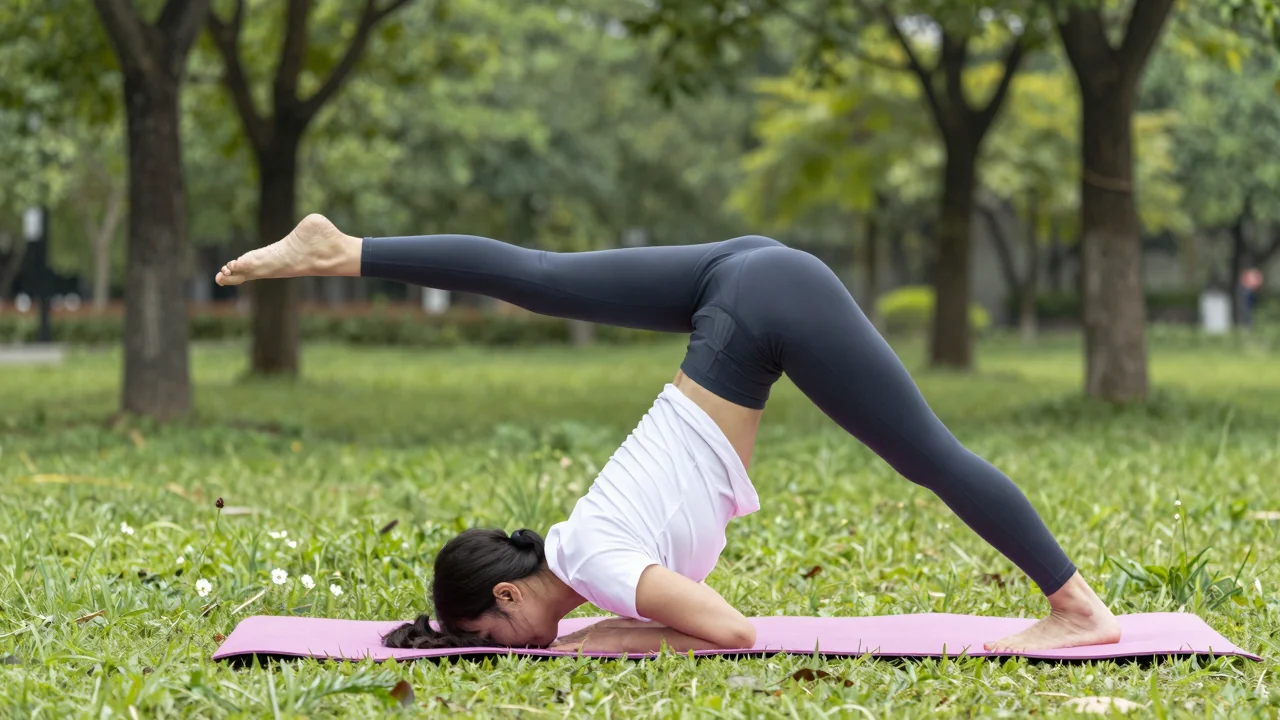
Another evidence-based technique is physical activity. Regular exercise releases endorphins, which are natural mood enhancers. Whether it’s a brisk walk, a yoga session, or a high-intensity workout, incorporating movement into your daily routine can significantly boost your mental and physical health.
Nutrition also plays a pivotal role in self care. Consuming a balanced diet rich in fruits, vegetables, lean proteins, and whole grains can provide the necessary nutrients to support your body’s functions. Avoiding processed foods and excessive sugar intake can help maintain stable energy levels and improve overall well-being.
Sleep is another critical component of self care. Quality sleep is essential for cognitive function, emotional regulation, and physical health. Establishing a consistent sleep schedule and creating a relaxing bedtime routine can help you achieve restful sleep and wake up feeling refreshed.
For more insights into scientific studies on self care, it’s clear that these techniques are not just trends but are supported by extensive research.
Stress Management Through Self Care
Stress is an inevitable part of life, but it doesn’t have to control your well-being. Self care practices for daily life offer effective strategies to manage stress and maintain a balanced lifestyle. One of the most powerful tools for stress management is deep breathing exercises. By focusing on your breath, you can activate your body’s relaxation response and reduce the physiological effects of stress.
Journaling is another valuable technique for stress management. Writing down your thoughts and feelings can help you process emotions and gain clarity. It’s a simple yet powerful way to release pent-up stress and gain perspective on challenging situations.
Engaging in hobbies and creative activities can also alleviate stress. Whether it’s painting, playing an instrument, or gardening, immersing yourself in activities you enjoy can provide a much-needed break from daily stressors and foster a sense of accomplishment.
Social connections are crucial for stress management. Spending time with friends, family, or support groups can provide emotional support and a sense of belonging. Sharing your experiences and concerns with others can help you feel understood and less isolated.
By incorporating these stress management techniques into your self care practices for daily life, you can build resilience and navigate life’s challenges with greater ease.
Incorporating Self Care in Daily Life
Integrating self care practices for daily life into your routine doesn’t have to be complicated. Small, consistent actions can make a significant difference in your overall well-being. Start by identifying areas of your life that need attention, whether it’s your physical health, mental well-being, or social connections.
Create a daily self care plan that includes activities you enjoy and that align with your goals. This could be anything from a morning stretch routine to a nightly skincare regimen. The key is to make self care a non-negotiable part of your day, just like brushing your teeth or eating meals.
For practical tips to live your best life daily, consider setting aside dedicated time each day for self care. This could be a 15-minute meditation session, a walk in nature, or simply reading a book you love. The important thing is to prioritize these activities and protect them from distractions.
Remember that self care is a personal journey, and what works for one person may not work for another. Experiment with different techniques and find what resonates with you. The goal is to create a sustainable self care routine that supports your unique needs and lifestyle.

Creating a Self Care-Friendly Environment
Your environment plays a significant role in your well-being. By designing a space that promotes relaxation and positivity, you can enhance your self care practices for daily life. Start by decluttering your living and working areas. A tidy environment can reduce stress and improve focus.
Incorporate elements of nature into your space, such as plants, natural light, and soothing colors. These elements can create a calming atmosphere and boost your mood. Additionally, consider adding personal touches like photographs, artwork, or inspirational quotes that bring you joy.
For more simple ways to improve your environment, think about the functionality of your space. Ensure that your furniture and layout support your activities, whether it’s a comfortable chair for reading or a dedicated workspace for productivity. Small adjustments can make a big difference in how you feel and function in your environment.
Creating a self care-friendly environment is about more than just aesthetics; it’s about fostering a space that nurtures your mind, body, and soul. By intentionally designing your surroundings, you can create a sanctuary that supports your well-being and enhances your daily self care practices.
Self Care for Introverts
Introverts often have unique self care needs that differ from those of extroverts. While socializing can be draining for introverts, solitude and quiet activities can be incredibly rejuvenating. Self care practices for daily life tailored to introverts focus on creating moments of peace and introspection.
One effective self care practice for introverts is spending time in nature. Whether it’s a solo hike, a quiet walk in the park, or simply sitting in your backyard, connecting with nature can provide a sense of calm and clarity. Introverts often find solace in the tranquility of natural settings, which can be a powerful antidote to the noise and chaos of daily life.
Reading is another excellent self care activity for introverts. Immersing yourself in a good book can be a form of escape and relaxation. It allows you to explore new ideas, gain knowledge, and indulge in your imagination. Creating a cozy reading nook with soft lighting and comfortable seating can enhance the experience.
Journaling is also beneficial for introverts. Writing down your thoughts and feelings can help you process emotions and gain insight into your inner world. It’s a private and reflective activity that aligns with the introvert’s preference for solitude and introspection.
By embracing these self care practices for daily life, introverts can nurture their unique needs and cultivate a sense of balance and well-being.
Common Self Care Mistakes to Avoid
While practicing self care practices for daily life is essential, it’s equally important to avoid common pitfalls that can undermine your efforts. One frequent mistake is treating self care as a one-time event rather than a ongoing practice. Self care should be an integral part of your daily routine, not just a occasional indulgence.
Another common mistake is comparing your self care journey to others. Everyone’s needs and preferences are unique, and what works for one person may not work for another. Focus on what feels right for you and avoid the pressure to conform to societal expectations or trends.
Neglecting physical health in favor of mental or emotional well-being is another mistake to avoid. Self care encompasses all aspects of your being, and ignoring one area can have a ripple effect on others. Ensure that you’re addressing your physical needs through exercise, nutrition, and adequate sleep.
By being mindful of these common mistakes, you can create a more effective and sustainable self care routine that truly supports your well-being.
Self Care Resources and Tools
To enhance your self care practices for daily life, consider utilizing various resources and tools designed to support your journey. There are numerous apps, books, and online communities that offer guidance, inspiration, and practical tips for self care. Exploring these resources can provide valuable insights and help you discover new techniques to incorporate into your routine.
Engaging with self care communities can also be beneficial. Connecting with like-minded individuals who share your goals and challenges can provide a sense of support and motivation. Whether it’s through social media groups, forums, or local meetups, finding your tribe can enhance your self care journey.
Remember that self care is a deeply personal practice, and the resources and tools that work for you may differ from those that work for others. Experiment with different options and choose what resonates with your unique needs and preferences.